
Jump to:
Otaru is making its way onto the Japan travel radar these days.
But is Otaru really understood?
Many people treat it as a quick half-day side trip from Sapporo. A canal photo, a seafood bowl, a wander down the main shopping street, then back on the train. That version of Otaru is nice enough, but it begs for more.
This compact seaside town on Hokkaido’s western coast has a distinct personality shaped by trade, winter weather and the sea. It feels slower than Sapporo, older than it looks and surprisingly full of local charm and character once you step away from the busiest blocks.
If you like places that offer good wandering, seasonal food and small scale craftsmanship, Otaru could be a great fit.
What Is Otaru Known For? Top Attractions and Local Highlights

Photo by: Pemika Earn
Otaru sits on the Sea of Japan side of Hokkaido, about 45 minutes northwest of central Sapporo by train. Mountains rise behind the town, the harbor opens out in front and the core sightseeing area is compact enough to explore on foot.
Historically, Otaru developed as a port and commercial center. Many of the stone warehouses and Western-style buildings you see today are leftovers from its shipping and finance era.
That legacy is the reason Otaru feels different from many small Japanese towns. You get a mix of Hokkaido ruggedness and early modern architecture in a single walk.
Otaru is best known for:
- The Otaru Canal and warehouse district
- Glassware and music boxes
- Excellent seafood, especially uni, crab & scallops
- Views from Mt Tengu
- A nostalgic atmosphere that feels very Hokkaido
Best Time to Visit Otaru

Otaru is a year-round destination. But summer and winter are like night and day, or fire and ice more like it.
Winter in Otaru (December to February)
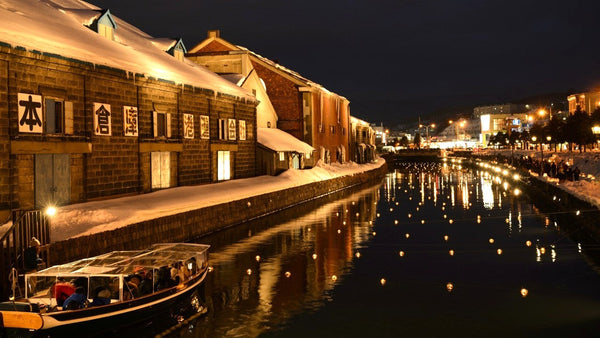
This is peak atmosphere season in Otaru. Snow softens the town’s edges. The canal looks cinematic, and evenings feel quiet and inviting. February brings the Otaru Snow Light Path Festival, when lanterns and small snow sculptures create a gentle glow around the canal and side streets. It’s cold in Otaru in winter – no, really it is, so dress accordingly.
Spring in Otaru (April to May)
Spring arrives later here than in Honshu. Snow melt can linger into April. By late April or early May, you will start seeing blossoms and experience more comfortable walking weather.
Summer in Otaru (June to August)
Hokkaido summer is mild compared with Tokyo or Kyoto. Otaru becomes an easy coastal break with long daylight hours and great seafood. If you are doing a wider Hokkaido loop, this is a natural pairing.
Autumn in Otaru (September to October)
Crisp air and clear skies make autumn one of the most comfortable times to visit. It is ideal for walking, cafe hopping and heading up Mt Tengu for views.
How to Get to Otaru: Train and Travel Routes
Getting to Otaru from Sapporo
The simplest route is the JR Hakodate Line from Sapporo Station to Otaru Station. Trains run frequently and the ride takes about 40 minutes. The approach into Otaru includes coastal scenery that feels very different from Sapporo.
Getting to Otaru from Tokyo
Fly into New Chitose Airport, take the train to Sapporo, then continue to Otaru. Door to door, you are usually looking at about four to five hours depending on airport timing.
Getting to Otaru from Osaka or Kyoto
Same approach as Tokyo, but with a longer flight from ITM Itami Airport. Door to door travel often lands closer to six hours.
Is Otaru a Good Day Trip from Sapporo?
Otaru is one of the easiest day trips in Hokkaido, but timing makes a big difference.
A strong day trip flow looks like this:
- Arrive mid-morning
- Walk the canal area before midday crowds peak
- Eat seafood near Otaru Station or in town
- Spend the afternoon on Sakaimachi Street and one or two craft focused stops
- Head back before dinner, or stay into early evening for a calmer canal walk
If you stay overnight, Otaru becomes noticeably quieter after the day trippers leave. The canal, warehouses and harbor area feel far more relaxed, especially in winter when darkness falls early.
Top Things to Do in Otaru: Must-See Sights
1. Otaru Canal

The canal is the iconic image, but it is better when you treat it as a walking route rather than a photo stop. The stone warehouses along the canal have been repurposed into cafes, shops and small museums.
When to go: early morning for calm, evening for atmosphere. Midday can feel busy and crowded.
In winter, the canal area is especially beautiful. Snow absorbs sound, lanterns glow … and sometimes, we gotta say, those warehouses look like a movie set or picture postcard.
2. Sakaimachi Hondori Street

This is the main craft and souvenir street linking the canal zone with Otaru’s artisan core. Here you’ll find glass shops, music boxes, sweets and cafes in restored buildings. Yes, it is tourist driven these days. The upside is that the quality is often legitimately high.
A good approach is to browse first, then purchase. Many shops sell variations of the same style and the best piece is rarely in the first storefront you enter.
3. Mt Tengu Ropeway

Mt Tengu offers the most satisfying big picture view of Otaru, with the sea stretching out beyond town. A “ropeway” (gondola) takes you up to the summit, where observation areas look out over Otaru and the coastline.
Night views can be excellent in clear weather. If the sky is clean and the air is sharp, Otaru’s lights reflect off the water in a way that feels larger than you would expect from a small city.
Tip: Check weather conditions and visibility before you go.
4. Sankaku Market

Sankaku Market is located almost right next to Otaru Station. It is compact, lively (no secret now)... and focused almost entirely on seafood. You will see crab, scallops, uni and fish that arrived that morning.
Many stalls also serve simple meals, usually seafood bowls and grilled items. Prices vary, so take two minutes to look around before you commit.
If you want a straightforward seafood lunch without a reservation or planning, this is the easiest answer.
Otaru has plenty of sushi and seafood restaurants scattered around the center. Smaller places often specialize and keep the menu tight. Look for seasonal signs posted outside. In Hokkaido, that is often a hint that the best items are not on a glossy menu.
5. Otaru Music Box Museum

Otaru’s music box culture is a real part of its identity. The main museum style shop is atmospheric, packed with handcrafted pieces and filled with a gentle soundtrack as boxes play across the space.
Even if you do not buy one, it is worth visiting for the mood and craftsmanship.
6. Kitaichi Glass (Otaru’s Signature Glassware)

Otaru glass is one of the town’s signature crafts. Kitaichi Glass is a well known stop with multiple spaces, including shops and a cafe lit by oil lamps rather than electric lights. The lighting alone is worth experiencing, especially on a cold day when you want somewhere calm.
Prices range from small gifts to higher end pieces. Quality is consistently strong.
7. Tanaka Sake Brewery (Local Hokkaido Sake Tasting)

Tanaka Sake Brewery is a good stop for tastings and a look at regional sake production. Hokkaido sake is typically crisp and clean, which makes it a nice match with seafood.
If you enjoy tasting with context, this is a solid visit.
8. Nikka Whisky Yoichi Distillery

Yoichi is a separate town, but it is an easy add on from Otaru by train. The Nikka distillery is one of Japan’s best known whisky sites, founded by Masataka Taketsuru. The Hokkaido climate is a big part of the draw here, especially if you have tasted Nikka bottles before.
If whisky is your thing, this is one of the most rewarding side trips in the region.
Practical Travel Tips for Visiting Otaru
- Wear shoes built for walking. Otaru looks small, but you will cover more ground than you expect.
- Aim for the canal early morning or evening. It feels calmer and more like a living place.
- In winter, take traction and warmth seriously. Side streets can be icy and wind off the sea is no joke.
- If you only have time for one craft stop, choose glass or music boxes based on what you actually like at home. Both are excellent, but you will enjoy the visit more when you are not forcing it.
- Staying overnight is the simplest way to experience Otaru without the day trip tempo.
For broader trip planning, our Sapporo travel guide pairs naturally with an Otaru visit.
What to Eat in Otaru

Otaru is especially loved for its food, with seafood taking center stage. The town is famous for uni (sea urchin), prized for its fresh, creamy texture and natural sweetness, often enjoyed over rice or as sushi.
Kaisendon, a seafood rice bowl generously topped with crab, scallops, uni, and seasonal fish, is another local favorite, particularly around Otaru Station.
Fresh scallops are widely available and served raw, lightly grilled, or butter-seared, highlighting Otaru’s coastal freshness.
Hokkaido crab, including snow crab and king crab, is known for its sweet, tender meat and is commonly steamed or grilled.
To finish on a sweet note, LeTAO cheesecakes and Hokkaido dairy sweets are must-tries, made with rich local milk and often picked up as popular souvenirs.

Check out our Hokkaido food guide for more options beyond Otaru.
Best Souvenirs to Buy in Otaru

Otaru is a strong town for gifts because so many items are practical, packable and genuinely well made.
Here are five that travel well:
- Handblown glassware, such as small cups, dishes or sake sets
- A music box with a melody you actually want to hear again
- Hokkaido sweets, cookies and chocolate that hold up in transit (Le Tao, as mentioned above, is a must!)
- Regional sake from Tanaka Sake Brewery
- Small seafood treats like dried scallops or packaged snacks
If you are planning a Hokkaido trip and want gift-worthy items to bring home, explore Japanese Taste’s Hokkaido snacks.
Why Otaru Is Worth Visiting on a Hokkaido Trip
Otaru is not a place that overwhelms you with endless attractions. It is also no longer a hidden gem.
Yet it remains quietly special.
Otaru is the sound of wind coming off the sea. The presence of old stone warehouses that have been adapted, not erased.
It is the patience behind glassmaking and handcrafted objects, and the simple pleasure of fresh seafood in a lively local market.


0 comments