
Jump to:
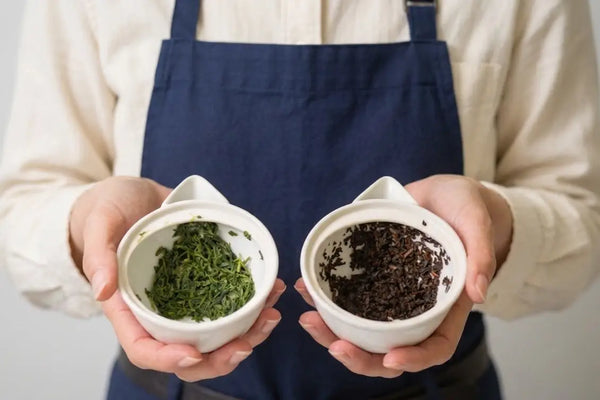
Green tea and black tea come from the same tea plant, Camellia sinensis. The main difference is how the leaves are processed after harvest.
In general, green tea contains higher levels of catechins such as EGCG, compounds associated with metabolic and cognitive health. Black tea develops unique antioxidants called theaflavins and thearubigins during oxidation, which have been linked to cardiovascular and gut health.
Green tea typically delivers a lighter, more vegetal flavor and moderate caffeine content, while black tea offers a bolder taste and a stronger caffeine boost.
This guide compares green tea and black tea in terms of processing, taste, caffeine content, antioxidants, health benefits, and the best times to drink each, helping you choose the right tea for your lifestyle and wellness goals.
Japanese Green Tea: Processing, Caffeine, and Benefits

Japanese green tea is made from the leaves of Camellia sinensis that are quickly steamed after harvest to prevent oxidation. This process preserves the tea's green color, fresh vegetal flavor, and high concentration of catechin antioxidants.
Unlike most Chinese green teas, which are pan-fired, Japanese green teas are typically steamed for 15 to 90 seconds before drying and rolling.
The most common Japanese green tea is sencha, which accounts for approximately 80% of Japan's tea production. Sencha is grown in full sunlight and produces a bright, refreshing flavor with mild bitterness and a characteristic grassy aroma.
How Much Caffeine Is in Green Tea?

Most green teas contain approximately 20–40 mg of caffeine per 8-ounce (230 ml) cup.
In addition to caffeine, green tea naturally contains L-theanine, an amino acid associated with calm alertness and improved focus. The combination of caffeine and L-theanine produces a gentler and more sustained energy effect than coffee for many people.
Key Benefits of Green Tea
Green tea is rich in catechin antioxidants, especially epigallocatechin gallate (EGCG), a powerful antioxidant associated with cognitive health, metabolic health, cardiovascular support, and protection against oxidative stress. Its combination of caffeine and L-theanine may also promote calm alertness and sustained focus.
Research suggests that regular green tea consumption may support:
Cognitive function: Green tea contains both caffeine and L-theanine, a unique amino acid that promotes calm alertness and sustained focus.
Metabolic health: Studies have linked green tea catechins, particularly EGCG, to improved insulin sensitivity and healthy metabolic function.
Antioxidant protection: Catechins help neutralize free radicals and reduce oxidative stress in the body.
Cardiovascular health: Regular green tea consumption has been associated with heart health and healthy blood vessel function.
Healthy aging: Long-term tea consumption has been linked to a lower risk of age-related cognitive decline in several population studies.
Which Green Teas Have the Most Caffeine?

Among Japanese green teas, matcha generally contains the most caffeine because the entire tea leaf is consumed in powdered form rather than infused and discarded. Gyokuro typically has the second-highest caffeine content due to its shade-grown cultivation, followed by kabusecha and sencha.
Matcha: Approximately 40–70+ mg of caffeine per serving, though some preparations can exceed 80 mg. Matcha typically contains the highest caffeine content among Japanese green teas because the entire leaf is consumed.
Gyokuro: Approximately 35–60 mg of caffeine per cup. This premium shade-grown tea is known for its rich umami flavor, high L-theanine content, and elevated caffeine levels.
Kabusecha: Approximately 30–50 mg of caffeine per cup. Partially shade-grown before harvest, kabusecha offers a balance of sweetness, umami, and moderate-to-high caffeine content.
Sencha: Approximately 20–40 mg of caffeine per cup. Japan's most popular green tea, sencha provides a balanced flavor profile with moderate caffeine levels.
Major Japanese Green Tea Growing Regions
Several regions are known for producing high-quality Japanese green tea:
Uji, Kyoto Prefecture: Widely regarded as the birthplace of Japanese tea culture and famous for producing some of Japan's highest-quality matcha and gyokuro. Tsujiri, Harimaen, Kiyosen, and Ujien are among the brands producing green tea in Ujitawara in Kyoto.
Many tea drinkers are familiar with Uji, but fewer realize that nearby Joyo City is also an important tea-producing area within Kyoto's historic tea-growing region. Joyo is home to respected tea producers such as Magouemon, which specializes in carefully crafted premium Kyoto teas.
Shizuoka Prefecture: Japan's largest producer of sencha
Kagoshima Prefecture: Known for early-harvest shincha and diverse tea cultivars
Mie Prefecture: Produces high-quality sencha and shade-grown teas
Browse our collection of authentic Japanese green teas!
Black Tea: Processing, Caffeine, and Health Benefits

Black tea is made from the leaves of Camellia sinensis that are fully oxidized after harvest. During oxidation, natural compounds in the tea leaves react with oxygen, transforming the leaves from green to dark brown or black and creating the tea's characteristic rich flavor, amber-red color, and robust aroma.
In Japan, black tea is known as koucha (紅茶), which translates to "red tea" and refers to the reddish color of the brewed liquor. The same term is used in China (hong cha). By contrast, Chinese hei cha ("dark tea") refers to a separate category of post-fermented teas such as Pu'er.
Most black teas are produced by allowing freshly harvested leaves to wither before rolling or crushing them to encourage oxidation. Once oxidation is complete, the leaves are heated to stop the process and preserve their flavor. This transformation creates unique antioxidant compounds called theaflavins and thearubigins that are largely absent in green tea.
How Much Caffeine Is in Black Tea?
Most black teas contain approximately 40–90 mg of caffeine per 8-ounce (230 ml) cup, making black tea one of the highest-caffeine traditional tea styles.
Like green tea, black tea naturally contains L-theanine, an amino acid associated with calm alertness and improved focus. The combination of caffeine and L-theanine may provide a smoother energy boost than coffee for many people.
Key Benefits of Black Tea
Black tea is rich in theaflavins and thearubigins, antioxidant compounds formed during oxidation. These compounds have been studied for their potential role in cardiovascular health, digestive health, and protection against oxidative stress.
Research suggests that regular black tea consumption may support:
Cardiovascular health: Studies have associated black tea consumption with healthy blood vessel function and a reduced risk of cardiovascular disease.
Gut health: Thearubigins and other tea polyphenols may help support a healthy gut microbiome.
Cognitive function: The combination of caffeine and L-theanine may help promote alertness, concentration, and mental performance.
Antioxidant protection: Black tea polyphenols help neutralize free radicals and reduce oxidative stress.
Healthy aging: Long-term tea consumption has been associated with a lower risk of age-related cognitive decline in several population studies.
Which Black Teas Have the Most Caffeine?

Caffeine levels vary depending on tea variety, leaf grade, and brewing method. In general, broken-leaf black teas and strong breakfast blends tend to contain more caffeine than lightly brewed whole-leaf teas.
Assam: Approximately 60–90 mg of caffeine per cup. Known for its bold, malty flavor and high caffeine content.
English Breakfast: Approximately 50–80 mg of caffeine per cup. Often blended with Assam and other robust black teas.
Ceylon: Approximately 40–70 mg of caffeine per cup. Bright, brisk flavor with moderate-to-high caffeine levels.
Earl Grey: Approximately 40–70 mg of caffeine per cup. A flavored black tea scented with bergamot oil.
Keemun: Approximately 30–60 mg of caffeine per cup. Smooth, wine-like Chinese black tea.
Dian Hong (Yunnan Black Tea): Approximately 30–60 mg of caffeine per cup. Rich, malty, and naturally sweet.
Major Black Tea Growing Regions
In Japan, Shizuoka and Kagoshima are emerging producers of Japanese black tea (wakoucha), which is known for its naturally sweet and smooth flavor profile.
Green Tea vs. Black Tea: Health Benefits Compared

Although green tea and black tea come from the same plant, their health benefits differ because of oxidation. Green tea preserves catechins such as EGCG, while black tea develops theaflavins and thearubigins during oxidation. These compounds influence the body in different ways.
Metabolic Health
Green tea is particularly known for its high concentration of EGCG (epigallocatechin gallate), a catechin that has been associated with improved insulin sensitivity and metabolic health in clinical studies.
Black tea supports metabolic health through different compounds. Theaflavins formed during oxidation have been studied for their potential role in reducing inflammation and supporting healthy energy metabolism.
Winner: Green tea for metabolic support and insulin sensitivity.
Heart Health
Both teas may support cardiovascular health, but black tea has been studied extensively for its effects on blood vessel function and heart disease risk.
Theaflavins and thearubigins found in black tea help combat oxidative stress and may contribute to healthy circulation. Several observational studies have linked regular black tea consumption with a lower risk of cardiovascular disease.
Winner: Black tea for cardiovascular support.
Gut Health
Black tea contains thearubigins, polyphenols that may help support a healthy gut microbiome. Research suggests these compounds can promote beneficial gut bacteria and digestive health.
Green tea also contains beneficial polyphenols, but current evidence for gut health is generally stronger for black tea.
Winner: Black tea for gut health.
Brain Function and Cognitive Health
Both green tea and black tea contain caffeine and L-theanine, a combination associated with improved focus, attention, and alertness.
Long-term population studies have found that regular tea consumption, including green tea, black tea, and oolong tea, is associated with a lower risk of cognitive decline in older adults.
Winner: Tie.
Antioxidant Content
Green tea contains higher levels of catechins, especially EGCG, because the leaves undergo minimal oxidation during processing.
Black tea contains different antioxidants, primarily theaflavins and thearubigins, which are formed during oxidation.
Both teas provide significant antioxidant activity, but green tea generally contains higher levels of the most extensively studied antioxidant compounds.
Winner: Green tea.
Liver Health
Several large observational studies have found an association between regular green tea consumption and a lower risk of liver disease and liver cancer.
Although black tea also contains beneficial polyphenols, the evidence for liver health is currently stronger for green tea.
Winner: Green tea.
Quick Comparison
| Health Area | Green Tea | Black Tea |
|---|---|---|
| Metabolic Health | ✓ Stronger evidence | Good support |
| Heart Health | Good support | ✓ Stronger evidence |
| Gut Health | Moderate support | ✓ Stronger evidence |
| Cognitive Health | ✓ | ✓ |
| Antioxidants | ✓ Higher EGCG | Different antioxidants |
| Liver Health | ✓ Stronger evidence | Moderate support |
Green Tea vs. Black Tea: So Which is Better?
Picking your brew comes down to the kind of energy, flavor, or wellness target you’re aiming for. You can easily rotate them to get the best of both worlds!
Choose green tea when:
-
You want focused, sustained energy: The higher ratio of L-theanine to caffeine creates a state of calm alertness, making it ideal for afternoon tasks without disrupting your evening sleep.
-
You want to prioritize metabolic and cognitive health: High levels of EGCG make green tea a great daily companion for supporting insulin sensitivity and long-term brain function.
-
You enjoy delicate, vegetal notes: If your palate prefers light, grassy, and savory (umami) flavors, green tea is the clear choice.
Choose black tea when:
-
You need a morning lift: With a higher caffeine content and a bold flavor profile, black tea easily stands up to a splash of milk or a slice of lemon.
-
You want cardiovascular and gut support: The distinct theaflavins and thearubigins excel at managing inflammation and supporting digestion.
-
You enjoy deep, complex flavors: If you prefer rich, malty, woody, or stone-fruit notes, the fully oxidized profile of black tea delivers exactly what you're after.
Frequently Asked Questions
How should green tea be brewed?
Most Japanese green teas are best brewed with water between 70°C and 80°C (158°F–176°F) for 30 to 60 seconds. Using cooler water helps preserve the tea's natural sweetness, umami flavor, and delicate aromas while reducing bitterness.
How should black tea be brewed?
Black tea is typically brewed with freshly boiled water at 100°C (212°F) for 3 to 5 minutes. The higher temperature helps fully extract the tea's flavor compounds, producing a rich, robust, and aromatic cup.
When should I drink green tea vs. black tea?
Green tea is often preferred in the afternoon because its combination of caffeine and L-theanine promotes calm, sustained energy. Black tea is commonly consumed in the morning due to its higher caffeine content and bolder flavor, making it a popular alternative to coffee.
Final Verdict
For most tea drinkers, the best choice is not green tea or black tea, it is enjoying both. Both teas offer health benefits, but they support different areas of health. Green tea is often associated with metabolic and cognitive health, while black tea is commonly linked to heart health and digestive support.
At Japanese Taste, we regularly taste green teas from all over Japan. In our experience, gyokuro offers the richest umami character, while sencha remains the most versatile everyday tea for most drinkers. We also recommend you try this Uji matcha and organic Earl Grey black tea from Kagoshima!


0 comments