
Jump to:
Kyoto is often the highlight of a first trip to Japan. It’s where you experience traditional culture at its most visible: temples, shrines, wooden streets, tea houses, and seasonal landscapes.
At the same time, Kyoto has a reputation for being crowded, and that’s partly true. However, the reality is more nuanced. Only a handful of major attractions get heavily congested, and mostly during peak hours. With a strategic plan, early starts, and the right route, Kyoto is still very manageable.
This guide simplifies everything into a clear, structured plan: the best time to visit, top things to do, where to go, what and where to eat, where to stay, how to get around, travel budget tips, and practical travel advice.
Why Visit Kyoto
One of the best reasons to visit Kyoto is the ability to see world-famous landmarks like Kiyomizu-dera, Fushimi Inari Taisha, and Kinkaku-ji within a short trip. These are not just tourist attractions but active religious sites with deep historical and cultural significance.
Another reason to visit is the preserved traditional atmosphere. Areas like Gion and Higashiyama still feature wooden machiya houses, narrow lanes, and lantern-lit streets. Walking through these neighborhoods feels very different from modern cities like Tokyo or Osaka.
Seasonality is also a major draw. Kyoto is one of the best places in Japan for cherry blossoms in spring and autumn foliage later in the year.
Kyoto’s food culture is also unique. It focuses on seasonal ingredients, presentation, and balance. From simple tofu dishes to elaborate kaiseki, food is an essential part of the Kyoto experience.
How Many Days to Spend in Kyoto
Kyoto’s main activities revolve around cultural exploration. If you’re planning your first trip to Kyoto, the ideal stay is 2 to 4 days.
Two days are enough to see the main highlights like Eastern Kyoto, Arashiyama, and Fushimi Inari.
While 3 days give you a better balance with spots like Kinkaku-ji, Nishiki Market, and an evening walk in Gion or Pontocho.
With 4 days, you can slow down and explore quieter areas such as Ginkaku-ji, the Philosopher’s Path, and Eikan-do.
If you have 5 days, you can also add a day trip to nearby destinations like Nara, Osaka, Uji, or Kurama & Kibune.
See more here for the best things to do in Kyoto.
Sample 1 to 5-Day Kyoto Itinerary
Below is a simple itinerary of what you can realistically do in 1-5 days, covering all the must-see places in Kyoto. For this itinerary, expect to spend about 8–9 hours per day sightseeing. If you just want to walk around for a little bit, I also prepared mini routes for you below.
1 Day in Kyoto - Best for Highlights
Kiyomizu Temple (early morning)

Kiyomizu-dera, founded over 1,250 years ago on Mt. Otowa, is a sacred place dedicated to Kannon where visitors come to reflect, offer gratitude, and enjoy one of Kyoto’s most iconic views.
If you want more details on each stop, see our full guide on the best things to do in Kyoto.
Yasaka Pagoda

Yasaka Pagoda, or Hokan-ji Temple, is a 46-meter five-story tower. It's just a quick 2–3 minute walk from Sannenzaka, making it an easy and iconic stop as you explore the Ninenzaka–Sannenzaka area.
Sannenzaka & Ninenzaka

Historic sloping pedestrian streets that lead up from Nene-no-Michi Lane past the Yasaka Pagoda to the famous Kiyomizu Temple.
Fushimi Inari (late afternoon to sunset)

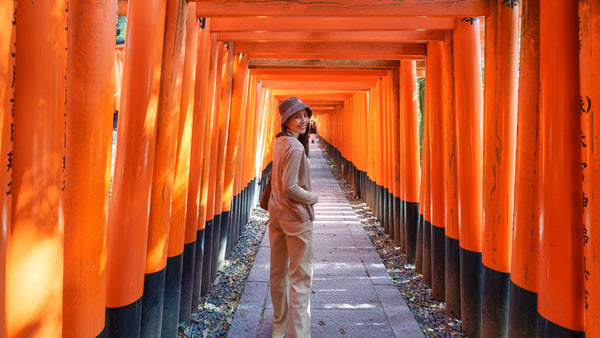
A Shinto shrine known for its thousands of red torii gates and fox statues, dedicated to Inari, the god of rice.
Gion Shirakawa or Pontocho evening stroll

If you want quiet streets, old machiya, and a quiet atmosphere, go to Gion Shirakawa. If you prefer a livelier night scene, Pontocho Alley is a narrow street with many restaurants and bars.
If you want extra activities, you can also check our guide to the top things to do in Kyoto.
2 Days in Kyoto - Best for Weekend Travelers
Day 1: Eastern Kyoto
Kiyomizu-dera (See info from 1-Day Itinerary)
Sannenzaka & Ninenzaka (See info from 1-Day Itinerary)
Kodaiji Temple

Kodaiji Temple, founded in 1606, sits northeast of Yasaka Pagoda and is known for its elegant Momoyama-era lacquerwork, historic halls, and scenic garden.
Yasaka Shrine

Also known as Gion Shrine, it is one of Kyoto’s most iconic landmarks and is especially famous for the Gion Matsuri, the city’s major summer festival held every July.
Gion evening walk (See info from 1-Day Itinerary)
Day 2: Fushimi Inari + Arashiyama
Fushimi Inari (See info from 1-Day Itinerary)
Arashiyama Bamboo Grove

Arashiyama Bamboo Grove, also called Sagano Bamboo Forest, is an iconic Kyoto spot known for its tall, enchanting bamboo walkway.
Tenryu-ji Temple & Garden

Tenryū-ji is a World Heritage Zen temple, known for its scenic garden and Cloud Dragon painting.
Togetsukyo Bridge

Togetsu-kyo Bridge is a 400-year-old Arashiyama icon crossing the Katsura River. Known for its stunning cherry blossoms, autumn colors, and frequent appearances in historical films.
Monkey Park (optional)

Arashiyama Monkey Park features 120 wild Japanese macaques, a scenic 20-minute hike, and a hilltop viewpoint ovMerlooking Kyoto.
3 Days in Kyoto - Most Balanced
Day 1: Higashiyama Golden Route
Kiyomizu-dera (See info from 1-Day Itinerary)
Sannenzaka & Ninenzaka (See info from 1-Day Itinerary)
Kodaiji Temple (See info from 2-Day Itinerary)
Maruyama Park

Maruyama Park, Kyoto’s oldest and most beloved park beside Yasaka-jinja Shrine, is famous for its early April cherry blossoms.
Gion at night (See info from 1-Day Itinerary)
Day 2: Arashiyama + Kinkaku-ji
Arashiyama Bamboo Grove (See info from 2-Day Itinerary)
Tenryu-ji

Tenryū-ji, a 1339 World Heritage Zen temple in Arashiyama, is famed for its scenic garden, borrowed-scenery pond, and iconic Cloud Dragon painting.
Okochi Sanso Garden

Ōkōchi Sansō Villa, once home to an actor, features serene seasonal gardens, classic architecture, and stunning views over Kyoto.
Saga-Toriimoto Preservation Area

Saga Toriimoto is a preserved historic street in western Kyoto, lined with traditional 19th–20th century houses and located along the old pilgrimage route to Atago Shrine.
Kinkaku-ji

Kinkakuji, a UNESCO World Heritage Site, is Kyoto’s iconic Golden Pavilion, a gold-leaf-covered Zen temple rebuilt in 1955, overlooking a scenic pond.
Day 3: Fushimi District + Central Kyoto
Fushimi Inari (See info from 1-Day Itinerary)
Fushimi Sake District

Fushimi Sake District is a historic sake-brewing area with nearly 40 breweries, traditional architecture, museums, tasting shops, and sightseeing river cruises.
Nishiki Market

Nishiki Market, “Kyoto’s Kitchen,” is a lively five-block street lined with over 100 shops and restaurants offering local specialties, fresh seafood, produce, and Kyoto delicacies.
Pontocho Alley

Pontocho, a narrow alley near the Kamogawa River, is one of Kyoto’s most vibrant dining areas, offering casual yakitori to high-end cuisine.
4 Days in Kyoto - Best for Slow Travelers
Day 1–3: Same as Above
Highlights, Arashiyama, Fushimi + Nishiki
Day 4: Northern Higashiyama
Ginkaku-ji

Ginkakuji, the Silver Pavilion, is a Zen temple built in 1482 as a shogun's retirement villa, famous for its moss and dry sand gardens.
Philosopher’s Path

The Philosopher’s Path (Tetsugaku no Michi) is a wonderful canal-side walking route from Eikando to Ginkakuji, lined with cherry trees, cafes, and temples.
Honen-in
 Hōnen-in, a peaceful temple near the Philosopher’s Path, features a thatched gate, seasonal sand art mounds, a small pond, and historic Jodo Buddhist halls.
Eikan-do Temple

Eikando (Zenrinji) Temple, a Jodo sect temple, is famous for its sideward-facing Amida Buddha, Tahoto Pagoda, and stunning autumn colors.
Heian Shrine

Heian Jingu Shrine, built in 1895 to celebrate Kyoto’s 1,100th anniversary, is a vibrant Shinto shrine modeled on the Heian-era imperial palace.
5 Days in Kyoto - Best for Adding a Day Trip
Day 1–4: Same as Above
Day 5: Choose One Day Trip
Option A: Nara – Best for families and cultural explorers

Spend the day in Nara visiting the iconic Todai-ji Big Buddha, marveling at one of Japan’s largest bronze Buddha statues. Stroll through Nara Park, home to freely roaming deer, and soak in the serene atmosphere. Complete the cultural experience with a visit to Kasuga Taisha, a historic Shinto shrine famous for its hundreds of hanging lanterns.
Option B: Uji (Matcha Town) – Best for matcha lovers and slow-travel couples

Explore Uji, Kyoto’s famous tea town, starting with Byodoin Temple, a UNESCO World Heritage site known for its Phoenix Hall. Stop at a local tea house to taste authentic Uji matcha and sweets. Finish the day with a peaceful walk along the Uji River.
Option C: Osaka – Best for food lovers and nightlife seekers

Experience the vibrant city of Osaka! Beginning with a culinary adventure at Kuromon Market, sampling fresh seafood and street food. Wander through the bustling streets of Dotonbori for an unforgettable food crawl and nightlife experience. End the day with a visit to Osaka Castle, a historic landmark surrounded by beautiful gardens. If you have more time, here are our 8 best things to do in Osaka.
Option D: Kurama & Kibune – Best for nature lovers and hikers

Escape into nature with a mountain hike through the scenic Kurama and Kibune area. Enjoy a leisurely riverside dining experience in Kibune, savoring seasonal local cuisine. Relax and unwind at a nearby onsen, soaking in the hot springs after a day immersed in nature.
Bonus: Short/Mini Routes
These short routes are perfect if you only have a few hours, prefer slow travel, or want to explore Kyoto without following a full-day schedule.
Higashiyama Half-Day Walking Route (3–4 hours)
- Kiyomizu-dera
- Sannenzaka and Ninenzaka
- Yasaka Pagoda
- Kodaiji Temple
- Maruyama Park
Gion Night Walk (1–2 hours)
- Yasaka Shrine
- Gion Shirakawa
- Hanami-koji Street
- Pontocho Alley
Arashiyama Morning Route (3 hours)
- Arashiyama Bamboo Grove
- Tenryu-ji Temple
- Okochi Sanso Villa
- Togetsukyo Bridge
- If you have extra time and energy, you can hike up to the Monkey Park
Nishiki Market Food Trail (1.5–2 hours)
Try fresh yuba (tofu skin), matcha soft serve, pickles, croquettes, grilled mochi, dashimaki tamago, seafood skewers, and Kyoto-style sweets!
Hidden Temples & Quiet Spots (1–3 hours)
You can start at Honen-in, a moss-covered Zen temple near the Philosopher’s Path. Then walk to Anraku-ji, a small and peaceful temple that opens only on select days, or head to Shoren-in near Gion, known for its deep blue-lit hall and wide garden paths.
The Daitoku-ji temple complex is another strong choice, with several subtemples that feature rock and moss gardens with very few visitors.
If you want a quiet stop inside Gion itself, Kennin-ji has notable artwork and calm grounds.
Best Time to Visit Kyoto
 We recommend planning your trip around our Kyoto spring calendar (late March–early April) for cherry blossoms and our Kyoto autumn calendar (mid-November–early December) for fall colors, as these are Kyoto’s peak seasons for scenery and photography. Just keep in mind that both seasons are popular, so expect crowds and higher prices, especially on weekends and holidays.
As for summer, it’s very hot and humid from June to August, but Kyoto becomes lively with events like the Gion Matsuri in July. June is rainy but not heavy (at least compared to my home country, the Philippines), and August has long daylight hours.
In winter, relatively speaking, it’s usually not that crowded. You may even see snow on Kinkaku-ji or Fushimi Inari. Many visitors enjoy this season because prices are lower and crowds are minimal.
Tip: weather in Kyoto changes quickly between seasons, so pack layers you can easily add or remove, a light jacket in spring and autumn, breathable clothing for summer, and warm outerwear for winter mornings and evenings.
How Much is the Budget Per Day in Kyoto?
Is $100 per day enough for Kyoto? The short answer is yes, it is a solid baseline for most visitors.
A good rule of thumb is to allocate ¥6,000–¥10,000 daily budget (about $40–$65). It’s enough for good food, transportation, and sightseeing.
Budget: Prepare around ¥6,000–¥10,000 per day ($40–$65), which covers convenience-store meals, ramen shops, a few bus or train rides, and basic temple entry fees. This is ideal for travelers, keeping costs low and eating simple meals.
Mid-Range: Most visitors fall into the ¥15,000–¥30,000 per day range ($100–$200). This allows for nicer lunches and dinners, café stops, matcha desserts, a mix of buses and trains, and entry to several temples, a comfortable balance of good food and sightseeing.
High-End: For a premium experience, expect to spend ¥30,000+ per day ($200+). This includes kaiseki dining, frequent taxi rides, cultural activities, and shopping for souvenirs or local treats. Kyoto has exceptional fine dining, so food often becomes the biggest expense in this category.
What to Eat in Kyoto

When in Kyoto, you shouldn’t miss local specialties like Shojin ryori (Buddhist vegetarian cuisine), yudofu (simmered tofu hot pot), yuba (tofu skin), nishin soba (herring soba noodles), kyozushi (Kyoto-style sushi), obanzai (Kyoto home-style dishes), kaiseki (traditional multi-course dining), and Uji matcha (premium green tea from Uji).
Based on Tabelog’s highest-rated restaurants for each dish, it’s best to eat shojin ryori at Ajiro Main Branch, yudofu and yuba at Shorai An, nishin soba at Matsuba, kyozushi at Kiu, obanzai at Dojin, and refined kaiseki or Uji matcha desserts at Teqa Square Morihan.
If you want to explore more Kyoto food, check out our Kyoto food guide. I shared here some of Kyoto’s must-try dishes and local treats!
Where to Stay in Kyoto

For couples, I suggest Gion & Higashiyama. I think it’s the most picturesque and romantic part of Kyoto. It’s filled with wooden houses, lantern-lit alleys, and famous temples. It’s also a great area if you want to stay close to Kiyomizu-dera or Yasaka Shrine.
For my independent, free-spirited solo travelers, you might like Kawaramachi & Downtown Kyoto. This is Kyoto’s lively central area with restaurants, bars, shops, and easy transportation. It’s ideal because it’s just so convenient, and you have access to many dining options.
If you want to make the most of your trip, the Kyoto station area is best for those who want simple transport connections to Osaka, Nara, or Arashiyama. Hotels here also tend to be modern and spacious.
If you’re travelling with families, Arashiyama is just so perfect IMHO. Imagine a peaceful riverside district near the Bamboo Grove and mountain scenery. If you also just want quiet evenings and nature-focused days, this is the place for you.
For honeymooners and luxury travelers, Northern Kyoto is also a romantic getaway. This area includes quiet neighborhoods with ryokans (traditional inns), often featuring private gardens, kaiseki meals, and a serene environment.
Read the full guide here on the best budget, mid-range, and luxury hotels in Kyoto.
How to Get To and Around Kyoto
Use Google Maps like your life depends on it!
Okay, so Kyoto accepts Suica, PASMO, ICOCA, and the digital versions in Apple/Google Wallet. Just tap to ride trains and buses without buying tickets each time. It’s the easiest way to get around. If your phone supports it (iPhone users can install the app), add a digital Suica/PASMO to your phone.
The subway and train lines are the fastest way to move between big areas like Kyoto Station, Gion, Arashiyama, and Fushimi Inari. Again, just use Google Maps. It shows the best route, platform, and price instantly.
As for buses, they reach places like Kinkaku-ji or the Philosopher’s Path, but they can be slow and crowded. Use them only when needed, and check Google Maps for the correct bus number and stop too.
Taxis in Kyoto are reasonably priced for short rides (around ¥900–¥1,500 or $6–$10). They’re perfect when buses are too crowded, or you’re tired. If you don’t want to hail cabs, you can just install apps like GO Taxi and Uber Japan.
Kyoto is also a bike-friendly city with many rental shops. Cycling is a fun way to explore central Kyoto, the Kamo River area, and some residential neighborhoods. Avoid cycling in crowded areas like Gion, Ninenzaka, and Nishiki Market.
Many of Kyoto’s most beautiful areas are best experienced on foot, so wear comfortable shoes! And expect to walk 10,000–20,000 steps per day.
Luggage Tips: If you’re carrying big suitcases, Kyoto Station has plenty of coin lockers. You can also find and book luggage delivery services in Kyoto at major transport hubs like Kyoto Station through companies like Yamato Transport or Sagawa Express, or at various tourist information centers and hotel counters. It can be delivered on the same day or the next day.
What to Buy in Kyoto

Kyoto is one of the best places in Japan to shop for traditional goods, and many visitors like to bring home classic items such as incense, Uji matcha, Kyo-yaki pottery or chawan matcha bowls, folding fans, yatsuhashi sweets, and other handcrafted souvenirs from local artisans.
For a complete list of the best products and where to find them, check out my full guide on the ultimate guide to shopping in Kyoto.
Kyoto First-Time


0 comments